
Himalayan Pink Salt: Benefits, Uses and How It Compares to Table Salt
11 July 2026 · by Fresh Pantry
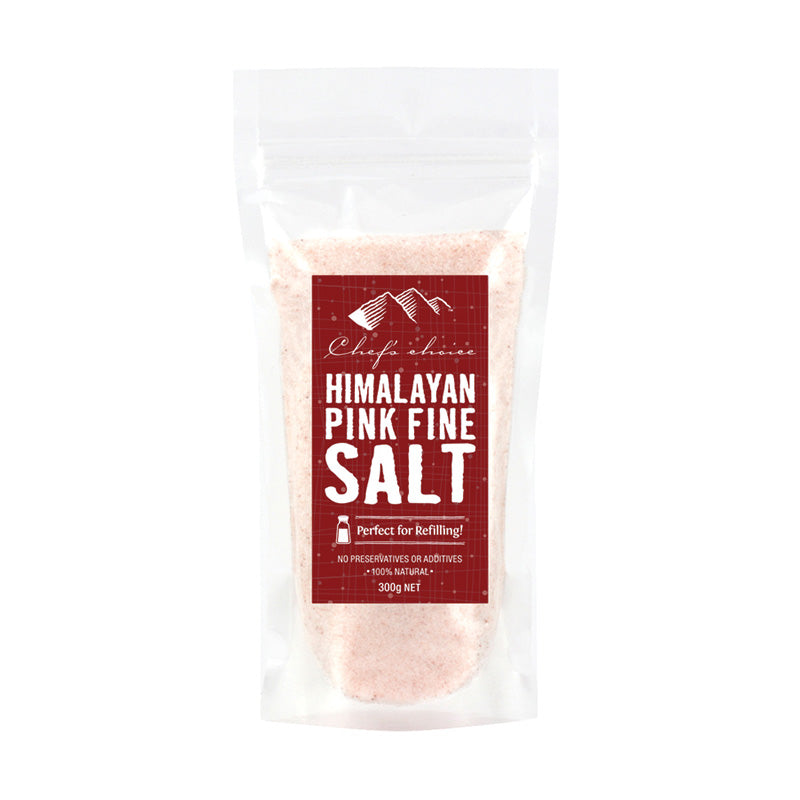
Himalayan pink salt has become a familiar sight on tables and in grinders, prized for its rosy colour and mellow flavour. But what actually sets it apart from ordinary table salt, and how is it best used? Here is a clear, no-hype look.
What it is and where it comes from
Himalayan pink salt is a rock salt hand-mined from ancient deposits in the foothills of the Himalayas, largely in Pakistan. It formed from evaporated sea water millions of years ago. Its pink to reddish hue comes from trace minerals, mainly iron oxide, which also give it a slightly softer, less harsh taste than heavily refined salt.
How it compares to table salt
Chemically, all salt is mostly sodium chloride, and pink salt is no exception. It does contain small amounts of trace minerals that refined table salt lacks, but the quantities are tiny and unlikely to make a meaningful nutritional difference on their own. The honest takeaway: enjoy pink salt for its flavour, texture and appearance rather than as a health supplement. One practical difference worth noting — table salt is usually iodised, while rock salts generally are not, so make sure you get iodine from other sources in your diet.
How to use it
Pink salt is wonderfully versatile. Use fine pink salt as an everyday cooking salt, and coarse crystals in a grinder for finishing dishes at the table with a satisfying crunch. It pairs beautifully with grilled meats, roasted vegetables, salads and even a light sprinkle over dark chocolate or caramel. Salt and pepper grinders filled with pink rock salt and peppercorns make a simple, attractive table set.
Storage
Salt is naturally self-preserving and will keep indefinitely in a cool, dry place. The main thing to guard against is moisture, which causes clumping — an airtight container or a grinder with a good seal keeps it free-flowing.
Browse pink rock salt, grinders and seasoning blends in our herbs and spices collection, delivered across Australia.