
Are Canned Vegetables Healthy? What the Nutrition Facts Say
11 July 2026 · by Fresh Pantry
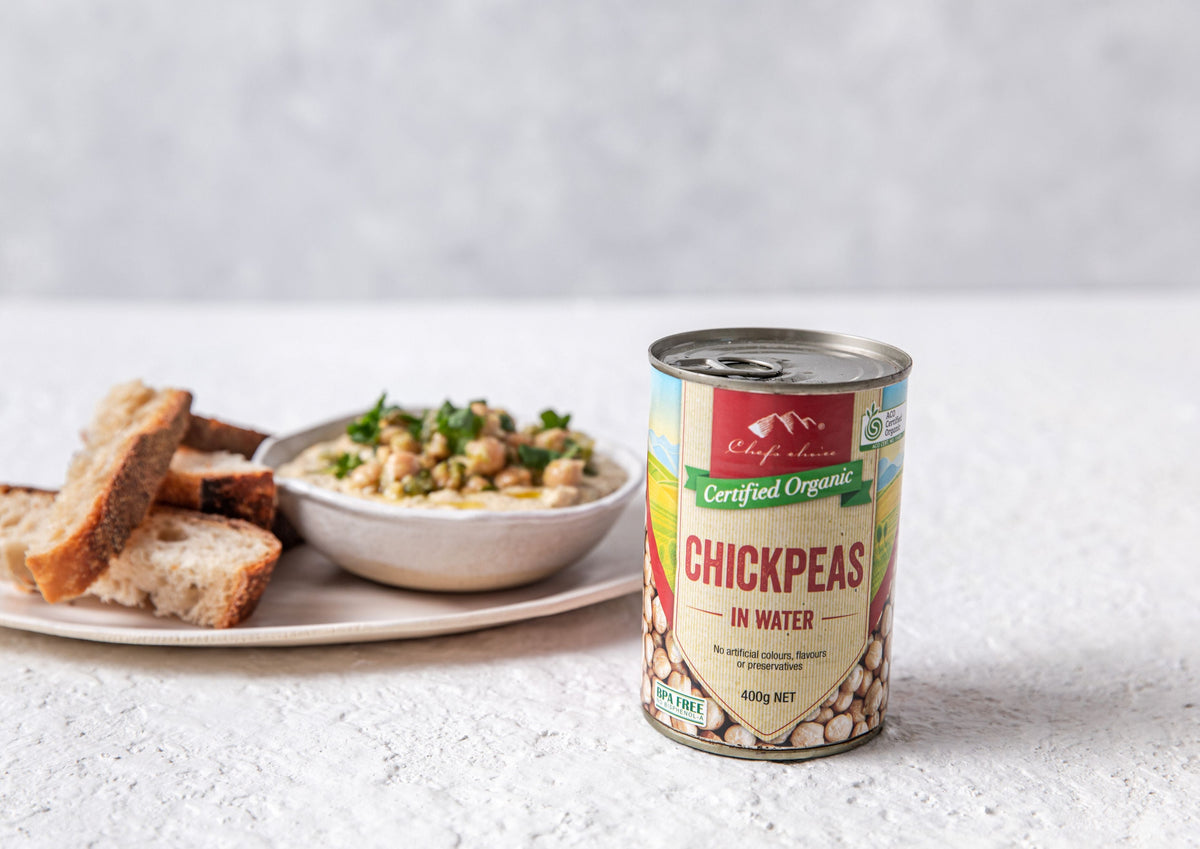
Canned vegetables are convenient, affordable and last for ages — but are they a healthy choice, or a compromise? The honest answer is that they can be a genuinely nutritious part of your diet, with a few things worth knowing.
How canning affects nutrients
Vegetables are usually canned soon after harvest, which locks in many nutrients at their peak. The heat used in canning can reduce some heat-sensitive and water-soluble vitamins, such as vitamin C and some B vitamins. On the other hand, canning can actually make certain nutrients more available — the lycopene in tomatoes, for example, becomes easier for the body to absorb. Minerals and fibre are largely unaffected.
Fresh, frozen or canned?
Each has its place. Fresh is wonderful when it is in season and eaten soon. Frozen is often just as nutritious as fresh, sometimes more so, because it is snap-frozen quickly. Canned wins on shelf life and convenience, making it easy to always have vegetables on hand for soups, stews, curries and quick meals. A varied diet that uses all three is a sensible, practical approach.
What to check on the label
The main thing to watch is added salt. Many canned vegetables come in a salted brine, so look for no-added-salt varieties where you can, or drain and rinse the contents to cut the sodium significantly. For canned tomatoes and legumes, check that there are no unnecessary additives — the best options list little more than the vegetable and water.
Getting the most from them
Drain and rinse canned beans and vegetables before using them. Add them towards the end of cooking so they hold their texture. And do not tip away canned tomato juice — it is full of flavour for sauces and braises. Kept in the pantry, a few tins turn into a fast, wholesome meal on any busy night.
Explore shelf-stable staples in our canned vegetable collection and organic range, delivered across Australia.